Passage Planning: Four Stages of a Safe Voyage Plan
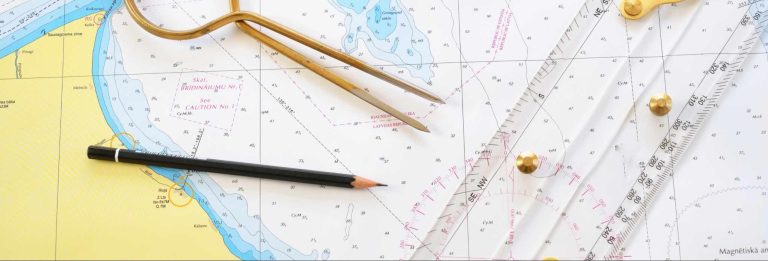
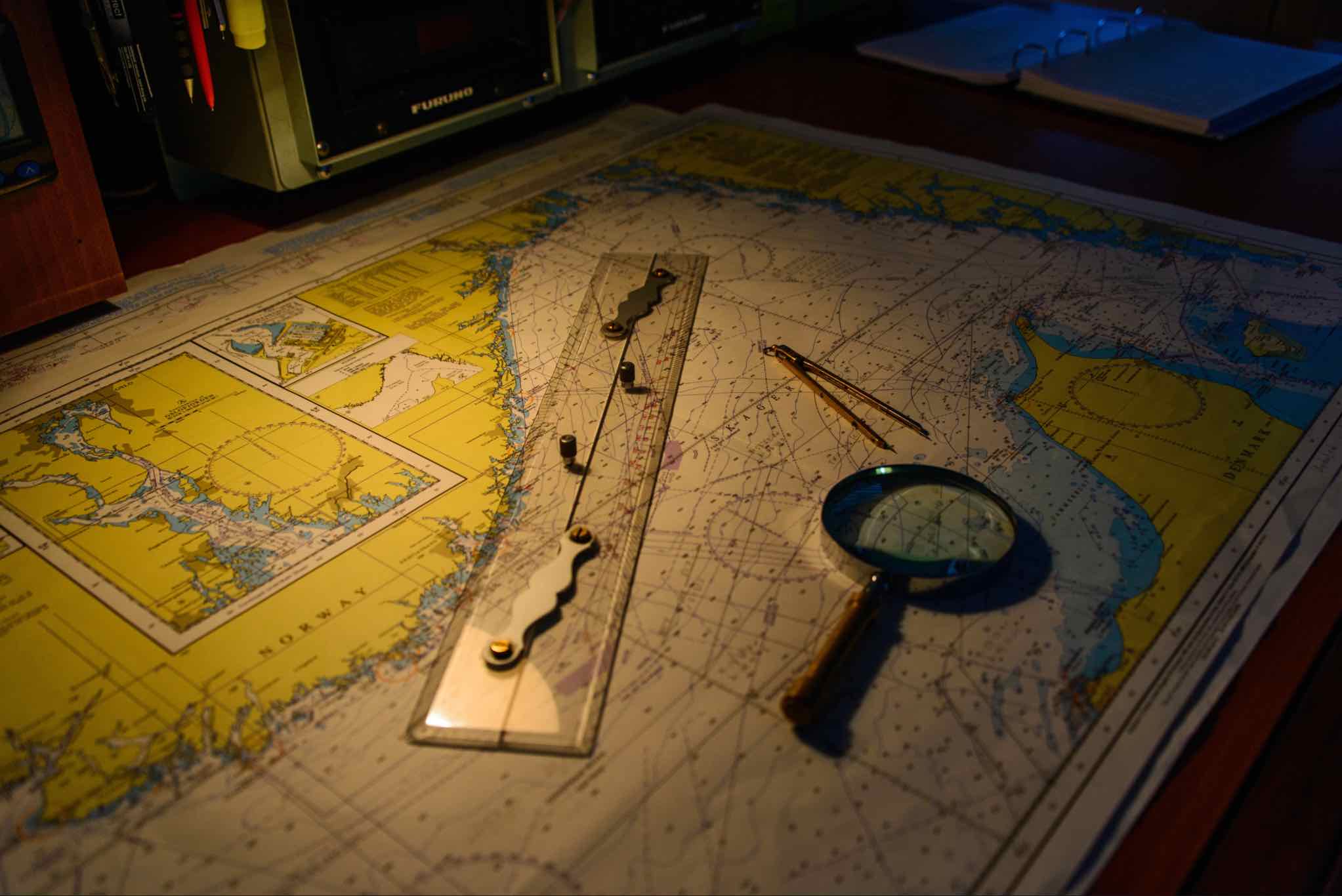
Embarking on a sea adventure? Think of passage planning as your treasure map to a successful voyage. It is not just a nautical nicety, but a maritime necessity! This detailed plan ensures your vessel sails smoothly from berth to berth, dodging potential Krakens and other navigational nightmares. Let’s dive into the four stages of passage planning and ensure a safe voyage!
Introduction to Passage Planning
Understanding the Importance of a Voyage Plan
A voyage plan is the superhero cape for your ship, protecting it from the villains of the sea. It’s a comprehensive, navigational strategy that turns potential chaos into a choreographed ballet. Neglecting it? Well, that’s like facing a pirate ship with a water pistol. It’s a meticulous process required for the safety of all!
Overview of the Four Stages of Passage Planning
Here are the four stages of passage planning, which can be thought of as the four acts of an epic sea saga:
- Appraisal: This is where we gather intelligence.
- Planning: Charting our course with precision.
- Execution.
- Continuous monitoring.
Each stage builds upon the last!
Key Principles of Safe Navigation
Safe navigation isn’t just about pointing your vessel towards the horizon and hoping for the best. Oh no, it’s an art, a science, and a hefty dose of common sense. It involves heeding the principles of passage planning, using information relevant to the intended voyage, respecting the marine environment, and relying on good seamanship to keep you afloat, both literally and figuratively.
Stage 1: Appraisal
Assessing the Yacht and Its Capabilities
Before setting sail, it’s crucial to know your ship’s quirks better than your own. Can she handle the roughest seas? Is her turning circle wider than your uncle’s belly after Christmas dinner? Assessing the yacht’s capabilities ensures you don’t ask her to do the impossible. It’s like knowing whether your car can handle a mountain road before attempting it!
Evaluating Environmental Conditions
Ignoring the weather is like waltzing into a lion’s den wearing a meat suit. Evaluating environmental conditions, such as tides, currents, and forecasts, is non-negotiable. Don’t just glance at the sky; dig deep with sailing directions and Notices to Mariners for the duration of the entire voyage. Only then can you sidestep nature’s little surprises and keep your vessel pointed in the right direction.
Identifying Potential Hazards
The sea is like a minefield, but instead of explosions, you face shallow water, rogue waves, and grumpy sea monsters (okay, maybe not the last one, but be vigilant). Identifying potential hazards through detailed charts, pilot books, local pilotage advice, and onboard information helps you plot a course that avoids trouble for each phase of voyage. Remember, a safe distance is your best friend!
Stage 2: Planning
Creating a Detailed Passage Plan
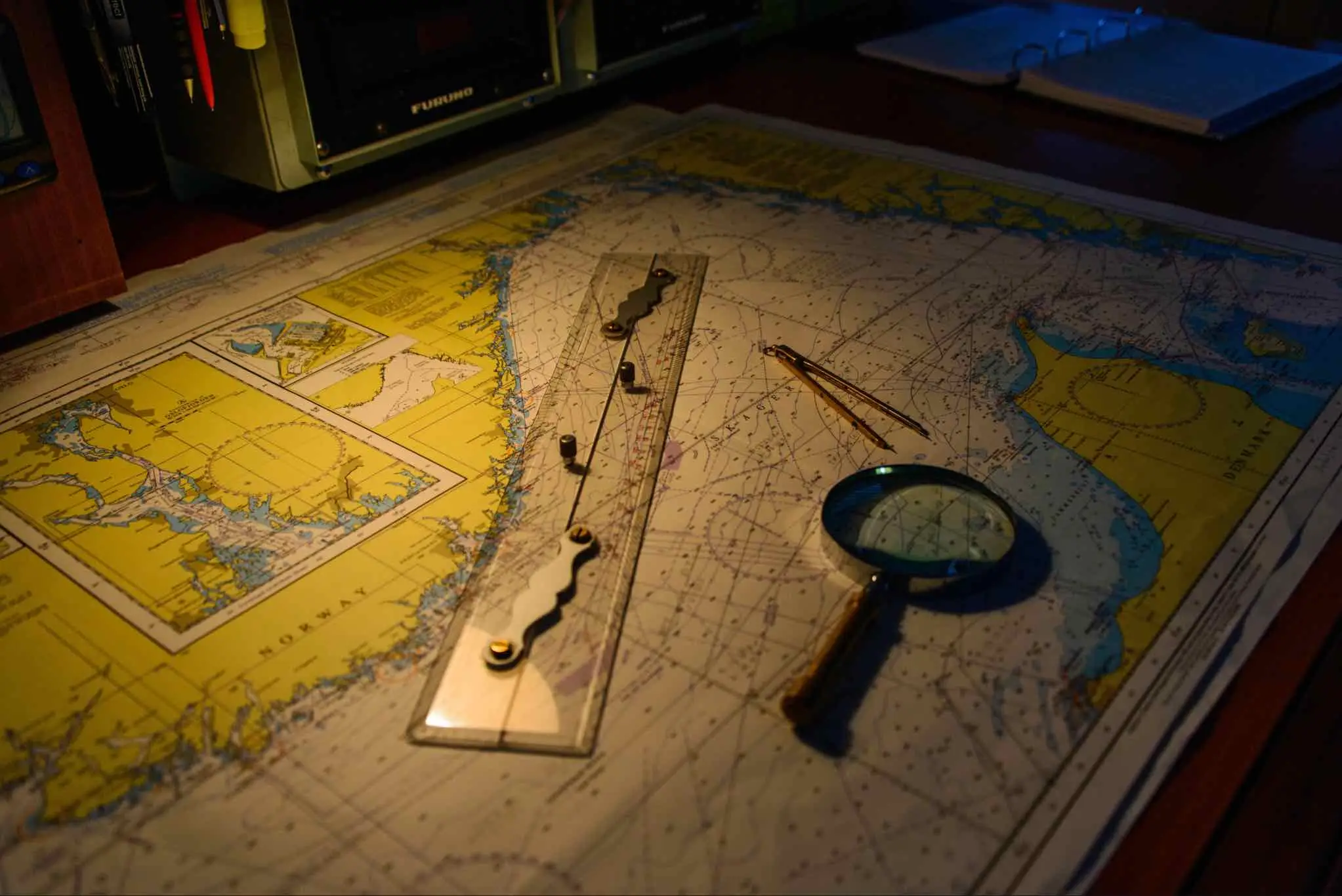
The planning stage is where your appraisal transforms into a tangible passage plan. It is the blueprint for a safe voyage. This phase requires crafting a detailed route, marking safe anchorages, and identifying contingency plans. Think of it as writing the script for your nautical adventure, ensuring every scene unfolds as intended. This detailed passage plan includes crucial information relevant to the proposed passage.
Utilising ECDIS in Passage Planning
ECDIS (Electronic chart display and information system) not just a fancy gadget; it’s your digital co-pilot, especially in the planning stages. Use it to overlay weather patterns, chart potential hazards, and visualise the planned route. The ECDIS helps in getting relevant information regarding pilotage. This ensures you can navigate even the trickiest routes with confidence. It’s like having a crystal ball, but for maritime navigation!
Documenting the Voyage Plan for Compliance with SOLAS V
Documenting your voyage plan isn’t just good practice; it’s a SOLAS V requirement. A well-documented plan includes all the vital information, such as waypoints, distances, estimated times of arrival, and potential risks. Think of it as creating an audit trail. This trail ensures that you and any crew can follow along, and it prepares you for any unforeseen challenges during the passage.
Stage 3: Execution
The role of the crew on Watch
The crew on watch are the skipper’s eyes and ears during the execution phase. Their role is to implement the passage plan, monitor the vessel’s progress, and make necessary adjustments. They ensure safe navigation and maintain situational awareness at all times.
Implementing the Passage Plan Onboard
Implementing the passage plan onboard involves translating the paper plan into real-time actions. The plan includes verifying that the yacht adheres to the planned route and speed and that all safety measures are in place. It’s like bringing a theatrical production to life, ensuring every actor knows their part.
Monitoring Navigation and Adjustments
Continuous monitoring is the unsung hero of the execution phase. It’s about keeping a watchful eye on the yacht’s position, speed, and heading. It’s also about using onboard information. This also means being ready to make adjustments to the passage plan. This ensures a safe passage, especially when encountering unexpected weather or navigational hazards. Think of it as being the quality control officer on a nautical assembly line.
Stage 4: Monitoring and Review
Continuous Assessment During the Voyage
Continuous monitoring during the voyage is like having a hawk-eyed supervisor double-checking every move! This stage of passage planning requires the crew to regularly assess the vessel’s position, speed, and heading against the passage plan. Use all available tools, including ECDIS, radar, and visual observations, to ensure that the yacht stays on the planned route and that the intended voyage stays on track! It’s like constantly asking, “Are we there yet?” but with a nautical twist!
Reviewing the Passage Plan Post-Voyage
After docking safely berth to berth, it’s time for a post-voyage autopsy of the passage plan. Did everything go according to the planning? Were there any unexpected challenges that required a deviation from the plan? This review, which is mentioned in the guidelines for voyage planning, will reveal lessons learned and areas for improvement. It is to improve future navigational efforts. It’s like watching the replay of a football game to analyse every play!
Learning from Each Passage for Future Improvements
The real treasure isn’t the destination, but the knowledge gained from each passage! Learning from each voyage helps refine future passage plans. It also helps improve seamanship. Documenting what worked well and what didn’t ensures that the next journey will be even smoother and safer. This also requires using information relevant to the proposed passage for future voyages. It’s like turning every voyage into a valuable training exercise!
Conclusion
Recap of the Four Stages of Passage Planning
Here are the four stages of passage planning, a fundamental aspect of voyage preparation. It involves a series of steps that guide you from initial assessment to the completion of your journey:
- The appraisal stage, which involves gathering necessary information.
- The planning stage, where you chart your course.
- Execution of the plan.
- Continuous monitoring throughout the voyage.
It’s like following a recipe to bake a cake, except if you mess up, you might end up on a desert island instead of having a tasty dessert! These four stages are basic for voyage planning.
Final Thoughts on Safe Navigation in Yacht Sailing
Safe navigation isn’t just a skill. It’s a mindset, a commitment to safety that permeates every aspect of sailing. Use all the tools at your disposal, from ECDIS to sailing directions and Notices to Mariners. Always prioritise safety above all else. Remember, a safe passage isn’t just about reaching the destination, it’s about ensuring everyone onboard arrives safely! Adhere to the principles of passage planning.
Encouraging Best Practices for Yacht Skippers
Yacht skippers, let’s raise the bar together and encourage best practices in passage planning. Ensure that every crew member is trained and equipped to handle any situation, and that every voyage plan is thorough and well-documented. It is important to have onboard contingency plans, safe anchorages, and alternative routes. Let’s make passage planning not just a requirement, but a cornerstone of our commitment to excellence in the yachting community!