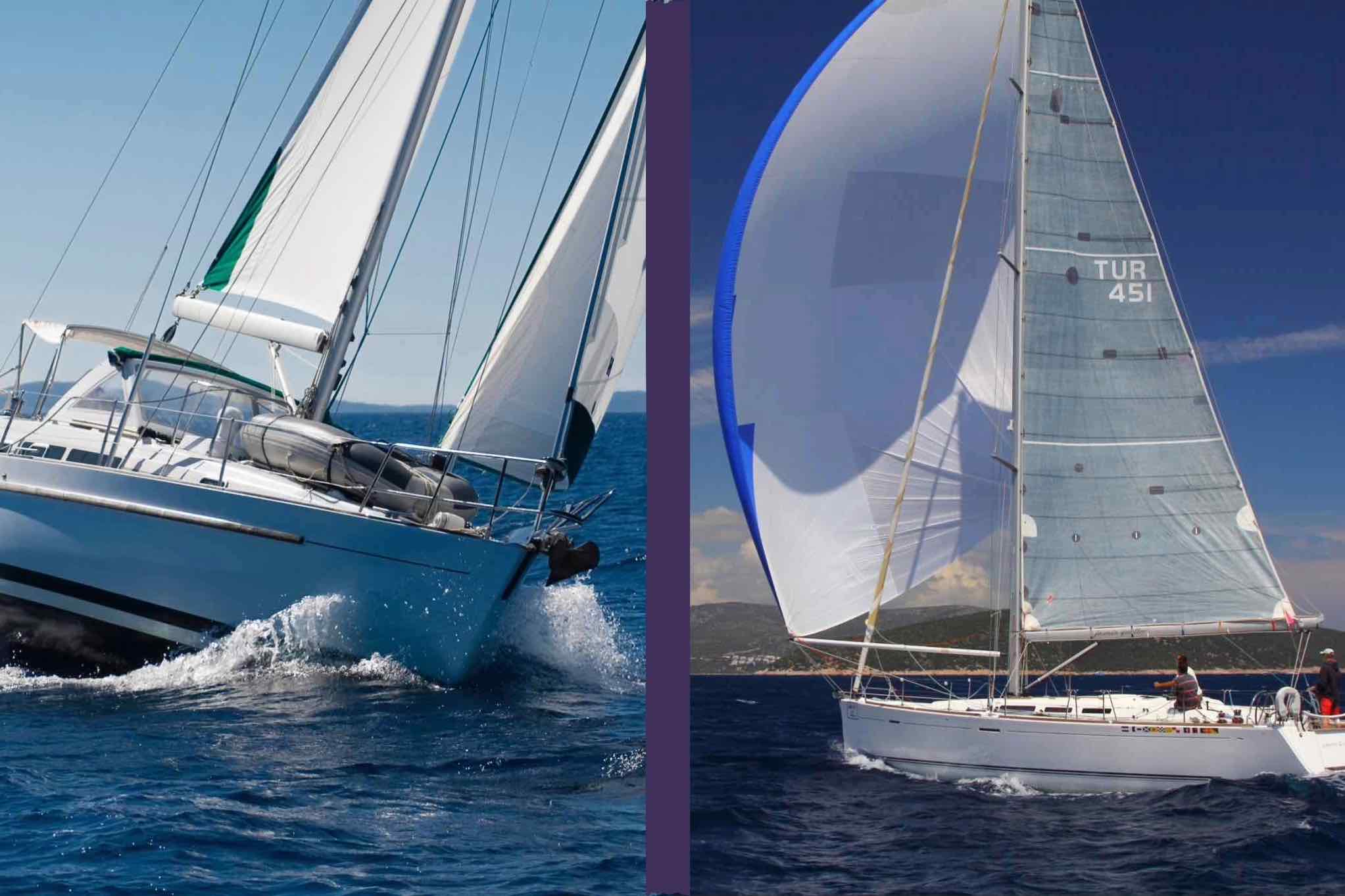
Upwind vs. Downwind Sailing: Sail Trim, Apparent Wind & Point of Sail
Ahoy there! Ever wondered why sailors sometimes look like they’re wrestling a giant invisible octopus while other times they seem to be leisurely floating on a pond? The secret lies in understanding the mystical dance of upwind and downwind sailing. Whether you’re sailing upwind or downwind, it’s all about harnessing the power of the wind. So, grab your metaphorical spyglass, and let’s embark on a thrilling voyage to uncover the secrets of sail trim, apparent wind, and the elusive point of sail. Prepare for a tidal wave of knowledge that will transform you from a landlubber into a bona fide skipper!
Understanding Sail Dynamics
Sailing isn’t just about looking cool in sunglasses and a captain’s hat; it’s a delicate ballet between your sail and the wind. The dynamics at play are like a soap opera involving wind direction, wind speed, and the ever-dramatic apparent wind. When the wind increases, things get interesting, but fear not! By understanding these forces, you can keep the boatmoving smoothly instead of becoming a human weather vane. Prepare to dive into the nitty-gritty of how these elements interact, turning simple breezes into powerful propulsion.
The Role of Sail Trim
Sail trim is the art of adjusting your sails to capture the wind most efficiently, and it’s crucial whether you’re sailing upwind or downwind. Think of your sail as a giant, fabric wing. The goal is to shape it in such a way that the wind flows smoothly along its surface, creating lift – just like an airplane wing! Trim your sails correctly, and you’ll be sailing like a pro, leaving the other boats in your wake. Mess it up, and you might as well be trying to power your cruise with a soggy sandwich. The location from where the wind is coming, in relation to the boat, determines how you trim the sail.
Apparent Wind Explained
Apparent wind is the wind you actually feel on your boat sailing, which is different from the true wind. It’s like the wind has its own version of reality TV, exaggerating everything for dramatic effect! Imagine you’re standing still on land; that’s the true wind. Now, hop on your boat and start moving; suddenly, the wind seems to shift and intensify because your boat speed is adding to the equation. The faster you go, the more the apparent wind moves forward when sailing upwind. Understanding apparent wind is key to mastering your sail trim and achieving optimal boat speed.
Wind Direction and Its Impact
The wind direction dictates everything in sailing. Are you trying to sneak closer to the wind, or are you going downwind for a relaxing cruise? The angle to the wind determines your point of sail, which in turn influences how you trim your sails and manage your boat. When sailing upwind, the apparent wind angle is more on the bow, demanding precise adjustments to maximise efficiency. When going downwind, the apparent wind moves aft, often allowing for a more relaxed set-up. The wind changes constantly, so the sailor must be aware.
Upwind Sailing Techniques
Point of Sail for Upwind
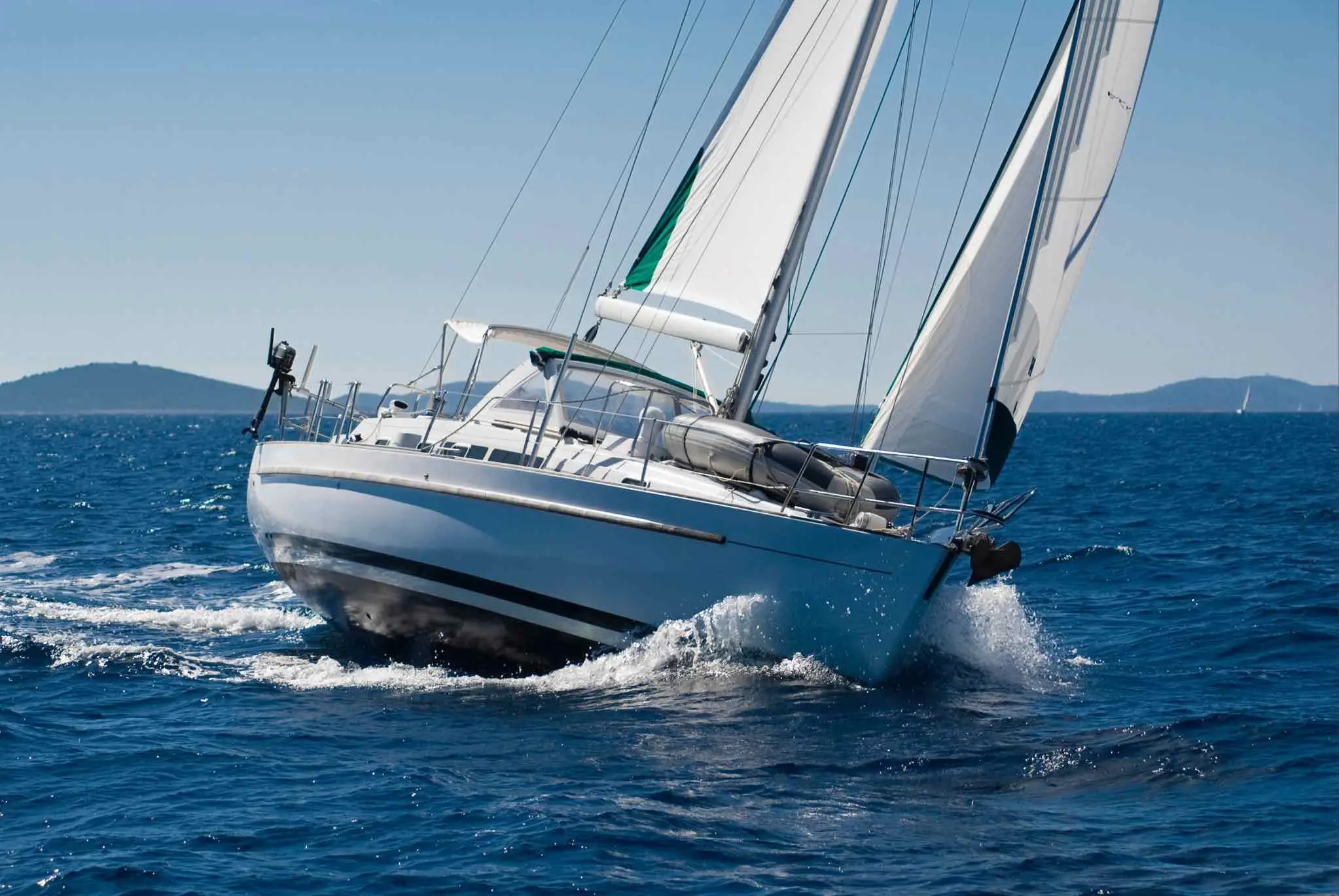
So, you want to know about the point of sail when you’re sailing upwind? Imagine trying to walk directly into a hurricane – not fun, right? Similarly, no skipper can sail directly into the wind. Instead, sailing upwind involves sailingas close to the wind as possible, typically around 45 degrees off the wind direction. This point of sail is called “close-hauled.” The goal is to maximise your boat speed while still making progress toward the wind. If you sail at a smaller wind angle, the sail will luff, and you’ll lose speed and control. Think of it as the nautical version of zig-zagging up a mountain – slow and steady wins the race!
Sail Adjustments for Upwind
When sailing upwind, sail trim becomes an art form. You’ll want to trim your sails, like the jib, so they’re tight and close to the centerline of the boat. Remember, you are trying to maximise the efficiency of your sails. As the wind increases, you might need to adjust the sail tension to prevent excessive heel. Ease the sheets slightly if the boat is heeling excessively. The apparent wind angle becomes more critical, and small adjustments can make a big difference. When the wind is coming from further aft, you will need to adjust the trim to suit. The rudder is your best friend in maintaining a straight course and counteracting the forces of the wind.
Common Challenges Faced by Sailors
Sailing upwind isn’t always a smooth cruise. One common challenge is dealing with wind changes. A sudden shift in wind direction can throw off your sail trim and require quick adjustments. Also, watch out for “headers” (when the windshifts toward the wind) and “lifts” (when it shifts away from the wind), which can affect your boat speed. Another challenge is maintaining a straight course in choppy waters. The boat wants to head into the wind on its own, so you constantly have to correct the helm. Be prepared to tack frequently to stay on course while sailing upwind effectively. Keep an eye on the windward and leeward side of your boat!
Downwind Sailing Strategies
Point of Sail for Downwind
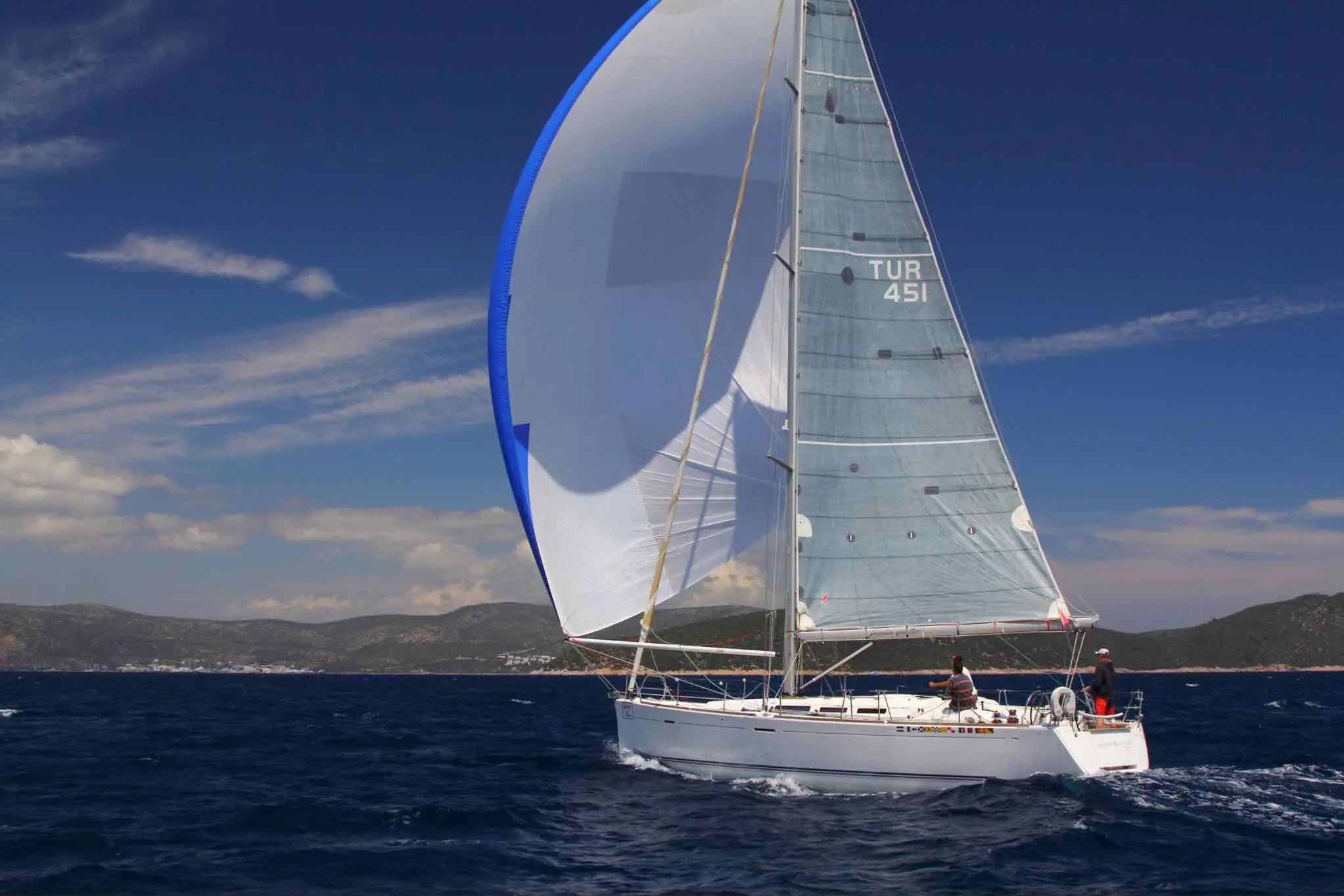
So, you’re sailing downwind now? Excellent choice! Going downwind is the nautical equivalent of sliding down a water park – pure, unadulterated fun! Forget about struggling to get closer to the wind; now, you’re practically chasing it. The point of sail for downwind sailing can range from a beam reach (wind coming from the side) to a broad reach(wind coming from further aft) all the way to sailing directly away from the wind. The key is to maximise your sailarea to catch as much wind as possible. Just don’t let the sail luff!
Effective Sail Trim for Downwind
When sailing downwind, sail trim takes on a whole new dimension of relaxation… relatively speaking. Instead of pinching and squeezing every last bit of performance out of your sails, you can let them breathe a bit. The goal is to present as much sail area as possible to the wind. Consider using a whisker pole to hold out the jib opposite the mainsail, creating a “wing-on-wing” configuration. This setup can significantly maximise your boat speed. Remember to ease the sheets and let those sails billow out like majestic clouds, catching every last puff of wind. You will want to trim the sail dependent on the wind angle and wind strength.
Advantages of Downwind Sailing
Downwind sailing involves several distinct advantages. First off, it’s generally more comfortable than sailing upwind. No more fighting the wind and waves; instead, you’re gliding along with them. The heel is reduced, and the motion is smoother, making it perfect for a leisurely cruise. Plus, sailing downwind typically means you’re heading towards your destination with the wind at your back, which is always a good feeling. When the wind increases, the boat speedincreases, and you are making good progress. Just remember to bear away gently to avoid an accidental jibe – nobody wants a surprise maneuver on their relaxing cruise! Also, the apparent wind moves aft, which reduces the wind against your face.
Comparing Upwind and Downwind Sailing
Performance Metrics
When we pit upwind and downwind against each other in the arena of sailing, it’s like comparing a marathon runner to a sprinter. Sailing upwind is all about endurance, making slow and steady progress toward the wind. It requires precision and constant adjustments to trim your sails and keep the boat moving efficiently. Downwind sailing, on the other hand, is more about raw speed and exhilarating cruises. Apparent wind speed usually builds as the boat speed increases. Your true wind speed affects the degree to which the boat speed impacts apparent wind. You will maximise your enjoyment when you’re sailing safely!
Choosing the Right Sailing Conditions
The best time for sailing upwind or downwind depends on your mood, your boat, and the wind direction. In light winds, sailing upwind can be a real test of patience, as you’re sailing along at a snail’s pace. Sailing downwind is fantastic when the wind increases and the seas are calm, offering a thrilling ride without too much effort. The skippermust consider the wind strength, too. The angle to the wind has an impact on the experience of both upwind sailing and downwind sailing.
Final Thoughts on Upwind vs. Downwind
So, which is better: upwind vs downwind? The truth is, they both have their charms. Upwind sailing is a test of skill and perseverance, while downwind sailing is all about enjoying the ride. The sailor will trim the sail to accommodate the apparent wind direction. Your choice depends on what you’re sailing for – a challenging workout or a relaxing cruise. The ability to effectively sail a course toward the wind makes upwind sailing a necessity. It is important to keep in mind the leeward side and windward side of your boat. Whether sailing upwind or sailing downwind, it’s all about harnessing the power of the wind and enjoying the journey, and understanding the point of sail!