
Yacht Passage Plan: Navigation Tips for Bluewater Cruise Skippers
Embarking on a bluewater or coastal cruise is like setting off on the ultimate nautical adventure, but even the most seasoned yachtsman knows that a successful voyage hinges on meticulous planning. A well-crafted passage plan is your roadmap to a safe and enjoyable journey, ensuring you don’t end up accidentally sailing to the wrong hemisphere. So, let’s dive into the art of passage planning and turn you into a navigation guru!

Understanding the Passage Plan
What is a Passage Plan?
A passage plan is essentially your yacht’s itinerary on steroids. It’s a comprehensive, step-by-step guide that outlines every aspect of your voyage, from the start point to your final anchorage. Think of it as your navigation bible, a detailed document that includes everything from chart details and waypoints to tidal information and estimated time of arrival (ETA). Without it, you might as well be sailing blindfolded, hoping for the best, which, let’s be honest, is never a good strategy, especially when dealing with the unpredictable nature of the sea.
Importance of a Solid Passage Plan
Why bother with a passage plan? Well, imagine trying to bake a cake without a recipe. You might end up with something vaguely edible, but it’s probably not going to win any awards. A solid passage plan ensures you stay safe and efficient during your cruise. It helps you anticipate potential hazards and make informed decisions based on accurate navigational data. Plus, it’s a great way to impress your crew with your meticulousness as you easily sail through a tidal gate, even if you secretly just want to avoid getting lost at sea.
Key Components of a Passage Plan
So, what exactly goes into this magical document? A good passage plan includes a detailed route marked on your chart, taking into account everything from buoy locations to clearing bearings. It also incorporates tidal stream predictions, weather forecasts (grib files are your friend!), and a list of ports of refuge along your route. Modern electronics, such as chart plotters, are fantastic tools, but don’t ditch your paper chart and admiralty pilot books just yet. A true skipper knows how to use both, ensuring they can navigate effectively even if the chartplotter decides to take an unexpected vacation.
Navigation Tools for Skippers
Using a Hand-Bearing Compass
Ah, the trusty hand-bearing compass! This little nautical gem is your best friend when you need to confirm a clearing bearing or get a quick fix on a buoy. Forget about squinting at the chartplotter for a moment and embrace the old-school charm. A skilled skipper knows how to use a hand-bearing compass to verify their position, especially when approaching tricky headlands or entering a new harbour. It’s like having a secret weapon in your navigation arsenal, perfect for those times when modern electronics decide to stage a mutiny. So grab your compass, channel your inner yachtsman, and become one with the art of passage making!
Utilizing Chartplotters
Chartplotters are the superheroes of modern electronics, turning complex navigational tasks into a breeze. These devices can display everything from chart detail and tidal stream predictions to detailed routes with multiple waypoints. They can even overlay grib files showing the upcoming weather. However, don’t let these fancy tools lull you into a false sense of security. Understanding how to interpret the data they provide is crucial. Whether you’re using raster charts or vector charts, knowing your boat speed and estimated time of arrival (ETA) remains essential for effective navigation. Remember, a chartplotter is a tool, not a replacement for a solid passage plan and piloting skills. A true skipper uses it wisely!
Integrating Paper Charts into Navigation
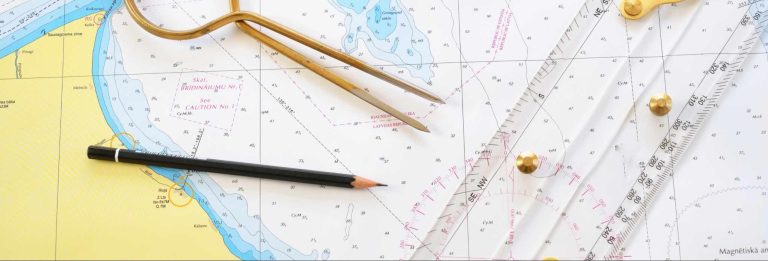
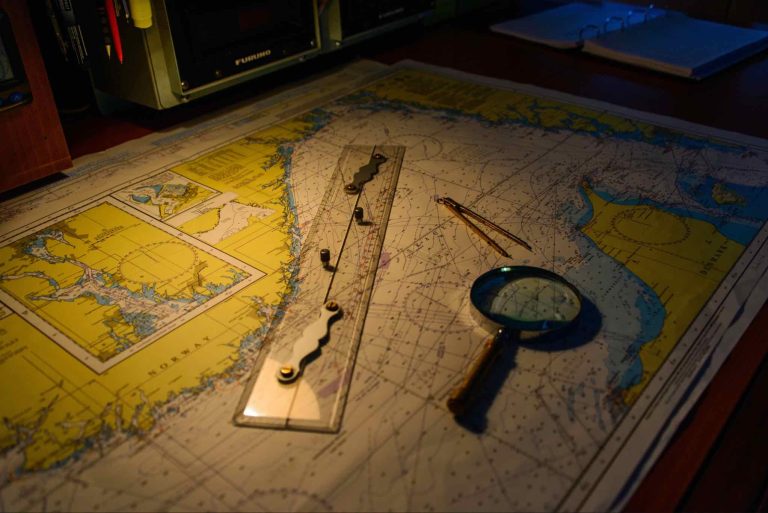
In this age of chartplotters, the humble paper chart might seem like a relic of the past, but dismissing it entirely would be a grave mistake. Paper charts offer a comprehensive overview of your sailing area that a screen simply can’t match. Knowing how to read and plot a course on a paper chart is essential for staying safe, especially when your electronic navigation decides to take an unscheduled break. Plus, poring over a chart table, marking waypoints, and noting potential hazards is a great way to connect with your voyage. So, embrace the charm of paper charts and become a well-rounded mariner! It’s one of the top tips for any aspiring yachtsman.
Essential Navigation Techniques
Setting and Following Waypoints
Imagine your cruise as a nautical connect-the-dots game, and waypoints are your numbered dots! A waypoint is a specific geographical coordinate that marks a turning point or destination along your chosen route. Inputting these waypoints into your chartplotter is like giving your yacht a treasure map to follow. However, don’t just blindly trust your plotter and boat speed. Always double-check your position, plot your current position on a paper chart and use your nautical skills to anticipate any potential hazards. After all, even the best chartplotter can’t replace a skipper’s intuition and a solid passage plan for time on the water.
Understanding Clearing Bearings
Clearing bearings are like your nautical safety net when sailing offshore, especially near tricky headlands. A clearing bearing is a line of sight to a known object (like a buoy or land mark) that ensures you stay clear of any navigational hazards. When passage making, handheld compasses are used to take a bearing, align it with your chart detail, and ensure your vessel remains on the safe side of the specified bearing to stay safe. This technique is particularly useful when visibility is good or when approaching a new harbour. Think of it as your way of saying, “I see you, danger! I’m staying well away!”.
Top Tips for Effective Navigation
So, you want to be a navigation ninja? Here are some top tips for effective passage planning and sailing. Some essential steps include:
- Always check the admiralty almanac and pilot books for your sailing area. Understanding the tides and tidal streams is crucial.
- Don’t rely solely on modern electronics. Paper charts are your friend, especially when the plotter decides to take a break.
- Brief your crew on the passage and pilotage plan, including planned routes, ports of refuge, and emergency procedures.
- Always be aware of your surroundings including the weather and tides and double-check your position frequently. Keep your boat and crew safe and happy!
Staying Safe at Sea
Pre-Departure Safety Checks
Before you even think about untying those dock lines, conduct thorough pre-departure safety checks. This includes a few key areas:
- Inspect your yacht’s engine, sails, and rigging.
- Check all safety equipment, including life jackets, flares, and VHF radio.
- Review your passage plan and pilotage plan one last time, ensuring you have all the latest weather forecasts and tidal information.
And, for goodness’ sake, make sure you have enough snacks onboard!
Monitoring Weather Conditions
Regularly monitor weather forecasts and be prepared to adjust your passage plan if necessary. If a storm is brewing, don’t be afraid to seek shelter in a port of refuge or anchorage. Remember, it’s always better to arrive late than never to arrive at all. These simple navigation tips will keep you safe on board. Apps like PredictWind or Windy are great for the navigators toolbox!
Emergency Procedures for Skippers
Hope for the best, but prepare for the worst – that’s the motto of every responsible skipper. Familiarise yourself and your crew with several key emergency procedures, such as:
- Man overboard drills
- Fire suppression
- How to use distress signals
Make sure everyone knows the location of safety equipment and how to use it. Practice these procedures regularly so that they become second nature. In a crisis, clear heads and quick action can make all the difference between a close call and a disaster.