Dead Reckoning: Marine Navigation and Estimated Position
Ahoy there! Ever wondered how sailors of yore managed to find their way across the vast, featureless ocean without fancy GPS devices? Well, buckle up, because we’re about to dive deep into the ancient art of dead reckoning! It’s not as morbid as it sounds, I promise. In fact, it’s a fascinating navigation technique that relies on a bit of skill, a touch of estimation, and a whole lot of good old-fashioned math.
Understanding Dead Reckoning
Definition of Dead Reckoning
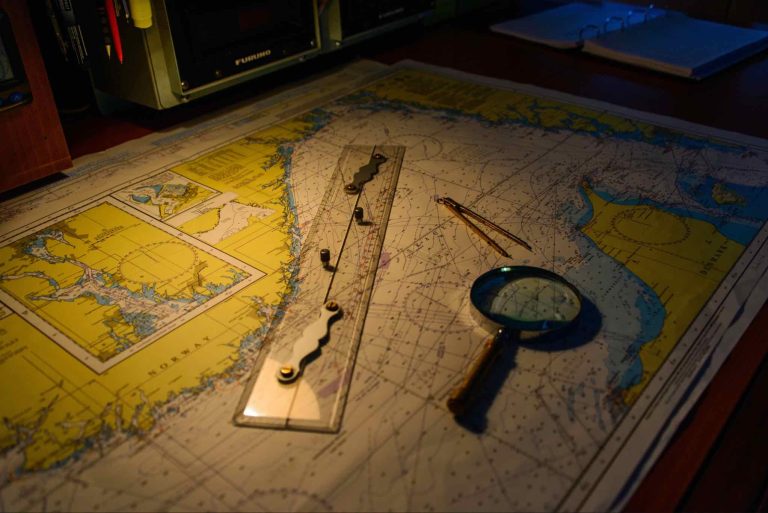
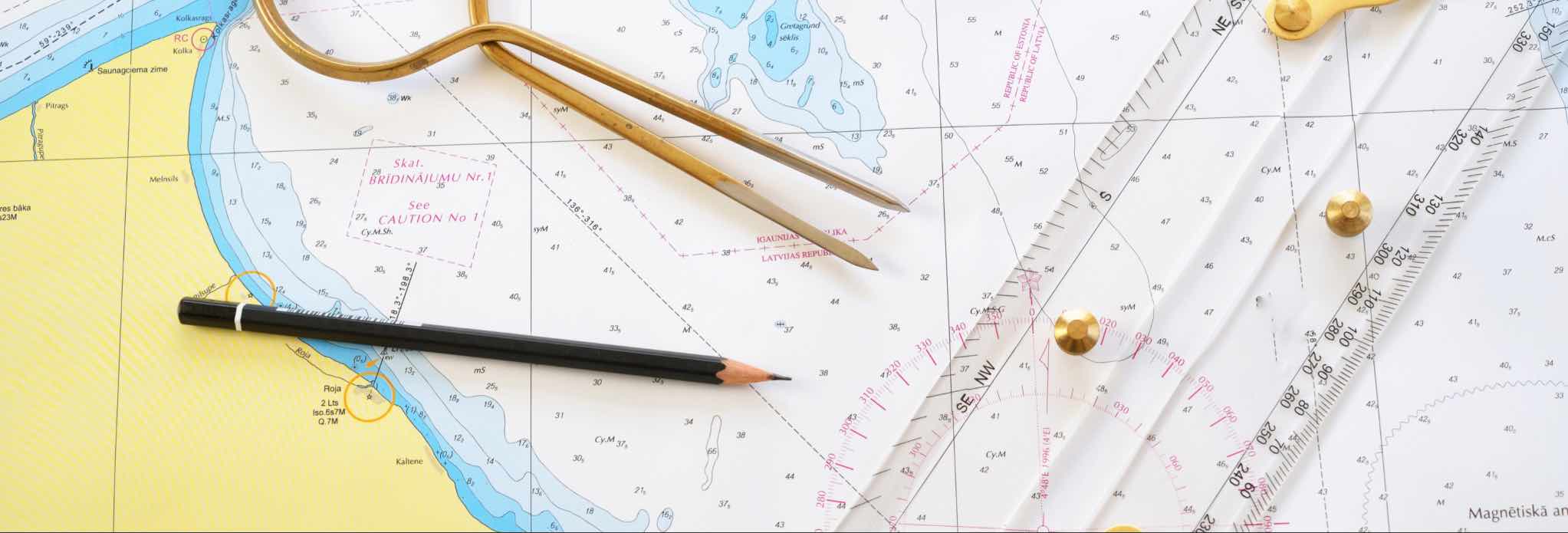
Dead reckoning, is a method of navigation used to calculate the current position of a vessel. This navigation technique is based on a previously determined position, or known position, and advancing that position based upon known or estimated speeds over time and course. Think of it as leaving a trail of breadcrumbs, only instead of breadcrumbs, we’re using course and speed and a compass to estimate where we are. This navigation system allowed for calculating the current position!
History of Dead Reckoning in Navigation
Before the days of GPS and satellite positioning systems, dead reckoning navigation was the bee’s knees for any self-respecting navigator. Imagine relying solely on your wits, a magnetic compass, and maybe some celestial navigation if the skies were clear! Sailors would use dead reckoning to estimate their position between landmark sightings or astronomical fixes. It’s like playing a giant, nautical game of “pin the tail on the donkey,” only the donkey is a continent and you’re sailing a ship the size of a small house! This method was a lifeline.
Importance of Dead Reckoning in Yacht Navigation
Even with today’s advanced GPS devices, understanding and being able to use dead reckoning is still super important for marine navigation. Knowing how to dead reckon allows you to estimate your approximate position and keep plotting a course if your GPS fails. Plus, it helps you recognise potential discrepancies between your dead reckoning position and your GPS fix, indicating possible errors or the influence of set and drift or leeway. The accuracy of dead reckoning depends on the navigator!
Techniques of Dead Reckoning Navigation
Calculating Position Using Dead Reckoning
So, how do we actually calculate our position using the dead reckoning technique? Well, it all starts with knowing your last known position, which we call the initial position. From there, it involves carefully measuring the course and speed of your vessel over a specific time period. Then, with some good old-fashioned calculation and maybe a sprinkle of mathematical wizardry, you can estimate the distance traveled and plot your dead reckoning position on a chart. It’s like being a nautical detective, piecing together clues to find your vessel’s current position based on where you’ve been! The more accurate your course and speed estimations, the more accurate your dead reckoning becomes. The accuracy of dead reckoning is paramount in this method.
Factors Affecting Dead Reckoning Accuracy
Here are some of the gremlins that can mess with our dead reckoning navigation. Several factors can impact the accuracy of this method, specifically:
- Inaccurate speed estimates
- External forces like wind and current
These external forces need to be accounted for in your calculations, or your dead reckoning position might end up being way off. It’s like trying to walk a straight line after a few too many grog rations – not as easy as it sounds!
Comparison with Other Navigation Techniques
Dead reckoning navigation is just one tool in a navigator’s toolbox. While it’s great for estimating your approximate position in a pinch, it’s not as precise as some other navigation aids. Several alternatives offer different methods for determining location:
- GPS uses satellites to provide a highly accurate position fix.
- Celestial navigation involves using the stars and planets to determine your location.
Each navigation system has its pros and cons, and a skilled navigator knows when to use dead reckoning in conjunction with other methods for the best results. Think of it as having a Swiss Army knife of navigation techniques – each tool has its purpose, and sometimes you need to use them all!
Enhancements in Dead Reckoning Accuracy
Integration with Satellite Navigation
Even though dead reckoning navigation has been around since Noah was building his ark, it doesn’t mean this navigation technique can’t learn new tricks! These days, one major improvement is the integration of dead reckoning navigation with satellite positioning systems like GPS. So, instead of completely relying on deduced reckoning, dead reckoning acts as a backup or a cross-reference. If the GPS signal is lost, dead reckoning can estimate your approximate position. It’s like having a safety net, in case your high-flying GPS act takes a tumble!
Technological Advances in Navigation Calculations
Forget quill and parchment! Modern dead reckoning navigation benefits from some serious tech upgrades. Several advancements contribute to more accurate and efficient navigation, including:
- Electronic charting systems that automatically perform complex calculations to determine your estimated position.
- Sophisticated sensors providing more accurate readings of course and speed, reducing errors.
And inertial navigation systems, which use accelerometers and gyroscopes, can provide highly accurate positioninformation, even when GPS is unavailable. It’s like swapping your abacus for a supercomputer – suddenly, calculating the current position becomes a whole lot easier!
Future of Dead Reckoning in Marine Navigation
So, what does the future hold for dead reckoning in marine navigation? Well, even with all these fancy navigation aids like satellite positioning systems and inertial navigation systems, dead reckoning isn’t going anywhere! It remains a fundamental skill for any competent navigator and a vital backup in case of electronic failure. Think of it as the trusty old compass in a world of touchscreens – still reliable, still relevant, and still helping sailors find their way!